
Drive-Thru Delight: Evaluating Wholesale Italian Pastries for QSR and C-Store Breakfast Success
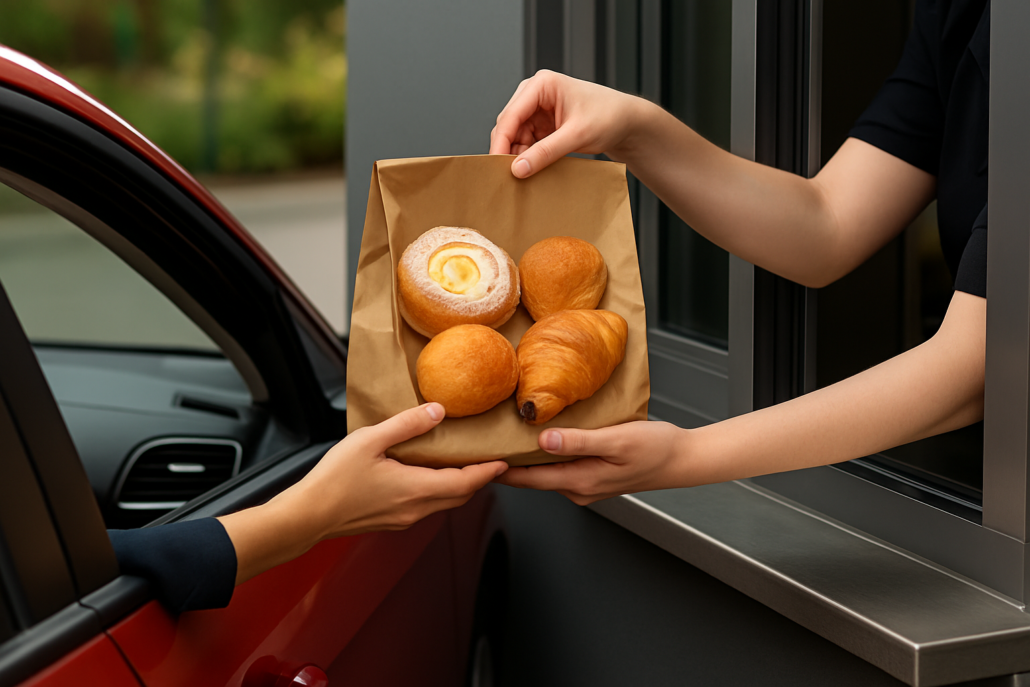
Drive-Thru Delight: Evaluating Wholesale Italian Pastries for QSR and C-Store Breakfast Success
Category managers and culinary leaders are under pressure to grow breakfast checks without slowing the drive-thru or adding labor complexity. Wholesale Italian pastries are showing up on more QSR and c-store menus because they promise a premium, indulgent experience in formats that work with existing equipment and operating models.
This brief focuses on a practical question: Which wholesale Italian pastry formats are gaining traction in QSR and convenience breakfast, and what do they mean for speed of service, holding quality, and profitability?
1. The Wholesale Italian Pastry Trend in QSR & C-Store Breakfast
For this audience, “Italian pastries” usually means more than just a croissant with an Italian-sounding name. Vendors are pushing platforms that can support multiple dayparts and price tiers:
- Breakfast: filled croissants, sfogliatelle-style items, and cream-filled buns
- Snack: cannoli-inspired bites, mini bomboloni, biscotti, and individually wrapped treats
- Premium upsell: “coffee bar” pastry cases with regional Italian specialties
The trend is less about strict authenticity and more about Italian-style indulgence in formats that can run through a drive-thru. That means:
- Heat-and-serve SKUs that go from frozen to hot in under 12 minutes
- Thaw-and-serve items with stable fillings and glazes for ambient holding
- Individually wrapped pastries for c-store shelves and grab-and-go coolers
As you evaluate whether to add or expand these items, the key is matching format to your operational reality: equipment, holding capacity, labor skill, and drive-thru speed targets.
2. Core Wholesale Italian Pastry Formats Suited to QSR & C-Stores
Below are the formats most frequently pushed for high-volume chains, with implications for throughput and margin.
2.1 Thaw-and-Serve Italian Pastries
Typical items: biscotti, individually wrapped filled croissants, mini cakes, wrapped Italian cookies, shelf-stable cannoli-style snacks.
Why they work:
- No baking required; rely on freezer/refrigerated/thaw-in-case workflow
- Extremely low labor: open case, place in display or basket, date-code
- Good fit for locations without ovens or with very limited back-of-house
Operational impact:
- Speed of service: Near-zero impact. Items are ready to hand to the guest; ideal for drive-thru add-ons (“Would you like a chocolate-hazelnut biscotti with that latte?”).
- Holding quality: Wrapped pastries can hold all day, often multiple days, if packaging and rotation are managed. Unwrapped thaw-and-serve items are usually best within 1 day once merchandised.
- Labor: Minimal. Mostly stocking, simple merchandising, and waste pulls.
Margin structure:
- Lower food cost per piece than fully baked in-house, but retail price ceiling is also lower
- Highly efficient from a labor plus waste perspective: easy to right-size inventory and reclaim unsold as markdown/late-day promos if unwrapped
- Best used as incremental attachment drivers to beverages and breakfast sandwiches
2.2 Par-Baked Italian-Style Croissants & Viennoiserie
Typical items: Italian-style croissants (plain, chocolate, hazelnut, pistachio, apricot), cornetti, filled Danish-like pastries using Italian flavors.
These are usually supplied frozen and par-baked, then finished in a convection or rapid-cook oven.
Why they work:
- Deliver a fresher, more premium perception vs. thaw-and-serve
- Higher check average potential, especially with espresso-based beverages
- Can be slotted into existing oven capacity in many QSRs and food-forward c-stores
Operational impact:
- Speed of service: You rarely want to bake to order. Instead, you bake in batches and hold warm or ambient. As long as you manage batch sizes, service is as fast as handing a muffin or donut.
- Holding quality: Most suppliers design these to hold 2–4 hours ambient or in a warmers, and still eat well. Filled items with cream or custard may have tighter holding specs (and often need cold holding after a certain time).
- Labor: Moderate and front-loaded. The labor is in baking and merchandising, not service. Staff must manage timers, batch sizes, and visual quality standards.
Margin structure:
- Higher cost per piece than thaw-and-serve, but also higher perceived value
- Supports premium pricing, especially if cross-branded with “Italian bakery” language or a supplier brand
- Margin depends heavily on waste management and batch discipline
2.3 Fully Baked, Heat-and-Serve Filled Pastries
Typical items: sfogliatelle-style shells, stuffed croissants, bomboloni (Italian doughnut-like filled buns), and laminated dough pockets with Italian fillings (ricotta, chocolate-hazelnut, pistachio cream, lemon cream).
Why they work:
- Operationally simpler than scratch or bake-off; just reheat to spec
- Can be run through existing ovens used for sandwiches or pizza snacks
- Strong visual appeal in display cases and when unwrapped at the window
Operational impact:
- Speed of service: Like par-baked, these should be batch-heated and held, not heated to order. With the right warmers, handoff is as fast as standard pastries.
- Holding quality: Many are optimized for 90–120 minutes in hot holding before texture or filling degradation becomes noticeable. Some are intended for ambient holding once heated.
- Labor: Low–moderate: loading ovens, managing timers, transferring to holding units, and discarding or repurposing aged product.
Margin structure:
- Usually mid-to-high food cost but with strong upsell potential as a “signature” item
- Best margin realized when attached to combos or beverage bundles
- Waste risk is manageable with time-stamped holding and menu engineering that pushes high-turn flavors
2.4 Individually Wrapped Italian Pastries for C-Store and Hybrid QSR
Typical items: wrapped cannoli-style bars, soft cookies with Italian inclusions (almond, lemon, tiramisu flavors), shelf-stable Italian snack cakes, grab-and-go refrigerated tiramisu cups.
Why they work:
- No back-of-house prep; ideal for small-footprint or franchise-heavy networks
- Fits multiple dayparts and baskets: fuel trips, afternoon coffee runs, late-night snacking
- Long shelf life reduces waste and simplifies distribution planning
Operational impact:
- Speed of service: Zero operational drag; similar to selling chips or candy.
- Holding quality: Manufacturer-controlled; the main work is rotation and planogram compliance.
- Labor: Low. Perfect for locations with minimal staff and high turnover.
Margin structure:
- Food cost generally lower than fresh-baked, but retail pricing is also constrained
- Very strong margin per labor minute due to high efficiency
- Best when treated as a category (Italian snacks) rather than standalone SKU
3. Drive-Thru–Ready: What “Works” Operationally
Italian pastry innovation only pays off if it runs through the drive-thru as fast as your core breakfast items. When evaluating suppliers and formats, focus on three dimensions: service time, holding performance, and complexity.
3.1 Service Time: Bake/Heat in Back, Not at the Window
To protect speed of service:
- Set a bake/reheat cut-off: Avoid any item that requires more than 12–14 minutes oven time, or that is inconsistent in bake time across ovens or volumes.
- Batch and hold: Choose items with vendor-validated holding windows so you can batch-hear for expected rushes rather than reacting ticket by ticket.
- Enforce “no to-order baking” rules: Staff should not make exceptions for single items; that erodes throughput and undermines your speed metrics.
3.2 Holding Performance: Predictable Windows for Quality & Food Safety
Italian pastries are often filled, glazed, or cream-based, which raises texture and safety questions. Key selection criteria:
- Clear holding specs: Require documented guidelines for hot, ambient, and cold holding, with time limits.
- Texture stability: Look for items where laminated layers stay crisp enough and fillings don’t weep or separate during the stated window.
- Multi-condition flexibility: Items that can be heated then held ambient or thawed and held ambient provide more operational options (drive-thru, front counter, c-store racks).
3.3 Complexity: Keep the System Simple for Managers and Crew
Even strong items will fail if they add complexity beyond what stores can sustain. As you evaluate SKUs, ask:
- How many new steps? Is crew just loading an oven and moving to a warmer, or are there glazing, filling, or finishing tasks?
- New equipment? Will you need new proofers, ovens, or display cases—or can products run through existing hot holding and merchandisers?
- Training burden? Can new hires learn pastry handling in one short module, or does it require culinary judgment?
For most chains, high-performing formats are those that can be explained with simple visual job aids and a single time/temperature chart per product family.
4. Mini Case-Study Scenarios: What Adoption Looks Like
Below are scenario-style examples based on common QSR and c-store models to illustrate feasibility, speed, and ROI trade-offs.
4.1 National Drive-Thru QSR: Adding Italian-Style Filled Croissants
Concept: Large burger-and-breakfast QSR adds a line of Italian-style filled croissants (chocolate-hazelnut and almond cream) as a premium breakfast pastry.
Format chosen: Frozen par-baked croissants, baked in convection ovens, 10–12 minutes, held ambient for up to 3 hours.
Operations design:
- Ops team sets batch size guidelines by daypart based on forecasted traffic.
- Crew bakes before breakfast peak and refreshes mid-morning if sell-through justifies it.
- Pastries held in a branded display at front counter; dedicated basket by the drive-thru line for quick grab by order assembly staff.
Drive-thru impact:
- No to-order baking. Items are simply bagged like other pastries.
- Drive-thru scripting includes a targeted upsell: “Would you like to add a warm chocolate-hazelnut croissant today?”
Speed of service & holding quality:
- Service time unchanged; assembly adds only a few seconds to orders that accept the upsell.
- Holding window is tied to a simple color-code or time-stamp system. After 3 hours, unsold pastries are marked down or discarded.
ROI and margin:
- Food cost is higher than the brand’s standard muffin, but retail price is set ~20–40% higher.
- Attachment rate to premium coffee and breakfast sandwiches lifts average check without sacrificing speed.
- Net margin depends heavily on execution of batch sizes; a few pilot stores overbake and see high waste, prompting recalibration.
Key learning: Italian-style filled croissants are feasible for high-throughput QSR as long as batch guidelines, clear holding windows, and simple merchandising are in place.
4.2 Regional C-Store: Building an Italian Coffee & Pastry Niche
Concept: A fuel-and-food-forward c-store chain wants to differentiate its morning and afternoon coffee business with Italian bakery-style offerings.
Format chosen:
- Thaw-and-serve biscotti and individually wrapped Italian cookies near self-serve coffee
- Heat-and-serve sfogliatelle-style pastries and bomboloni, held in a warm pastry case
Operations design:
- Morning shift leader bakes or reheats pastries once before the peak.
- Limited second bake only on high-traffic sites; others stay with a single batch to control waste.
- Biscotti and cookies placed on the coffee bar with simple price-point signage (“Add an Italian treat for less than a dollar”).
Drive-thru / front counter impact:
- Most sales are walk-in; but where drive-thru exists, cashiers can easily grab warm pastries from the merchandiser.
- Training focuses on suggested pairing prompts: espresso + biscotti, cappuccino + bomboloni.
Speed of service & holding quality:
- Because all pastries are pre-heated and held, service time is unaffected.
- Sfogliatelle and bomboloni have a 90-minute hot-hold spec; the chain uses printed time labels to enforce pull times.
ROI and margin:
- Wrapped Italian cookies and biscotti carry strong margins with minimal waste due to long shelf life.
- Hot pastries are higher cost and have waste risk, but they drive a more premium coffee perception and increase beverage mix.
Key learning: A mixed Italian pastry set—low-touch wrapped items plus a small number of hot indulgent SKUs—lets c-stores participate in the trend without overloading staff.
4.3 Coffee-Forward QSR: Premiumizing Without Full Scratch Baking
Concept: A coffee-led QSR brand wants Italian bakery credentials but doesn’t have space or labor for full in-store baking.
Format chosen:
- Fully baked, heat-and-serve Italian pastries (e.g., ricotta-filled pockets, pistachio cream croissants) designed for compatible rapid-cook ovens
- A small set of thaw-and-serve Italian cookies and cakes for all-day snacking
Operations design:
- Openers load a full sheet of frozen pastries into the oven, transfer to hot holding cabinets.
- Afternoon replenishment only if demand warrants; otherwise, the brand leans on ambient cookies and cakes.
- Marketing positions items as “from our Italian bakery partners” rather than pretending in-store scratch baking.
Drive-thru impact:
- Warm pastries are merchandised visually at the window via digital menu board and counter displays visible from the lane.
- Cashiers have pre-built scripting to describe fillings quickly: “That’s a flaky pastry with sweet ricotta cream inside.”
Speed of service & holding quality:
- No incremental cook time at order; pastries are simply retrieved from holding and bagged.
- Holding spec of 2 hours in warming cabinets; brand runs test-and-taste validations internally at 30-minute intervals before greenlighting wider deployment.
ROI and margin:
- Premium price points justified by positioning and pairing with espresso drinks.
- Margin modeling includes oven energy cost, labor minutes, and expected discard rate. High-volume urban locations clear their batches consistently; rural stores run smaller bakes.
Key learning: Heat-and-serve Italian pastries can simulate bakery quality for coffee-forward QSR without dedicated bakers, as long as equipment and holding plans are standardized.
5. Profitability: How Wholesale Italian Pastries Affect Your P&L
To evaluate ROI on wholesale Italian pastries, think in terms of four levers: food cost, labor, waste, and check average.
5.1 Food Cost and Price Positioning
- Entry-level items: biscotti, cookies, simple cakes—lower cost, lower price, positioned as easy add-ons.
- Premium pastries: filled croissants, sfogliatelle-style, bomboloni—higher cost, but with stronger storytelling and price elasticity.
- Menu engineering: Feature Italian items in bundles (coffee + pastry combos, breakfast pairings) to raise their perceived value.
5.2 Labor vs. Margin: Where Complexity Pays Off
When modeling margin, consider:
- Labor minutes per tray (loading, baking, merchandising, cleaning)
- Training investment for new SKUs
- Impact on peak-hour labor—are bakes scheduled outside the biggest rush?
In many cases, it’s rational to accept slightly higher food cost for a format that saves labor steps and training effort.
5.3 Waste and Forecasting Discipline
Waste is the biggest swing factor for fresh or hot Italian pastries. To control it:
- Start with a small, concentrated SKU set so you can forecast more accurately.
- Use pilot data to set site-specific batch guidelines aligned with traffic patterns.
- Consider dual outlet strategies: early day at the pastry case, later day as discounted snack items if brand standards allow.
5.4 Check Average and Brand Halo
Italian pastries do more than generate direct margin:
- Support higher-priced beverage platforms (espresso, specialty lattes)
- Position your breakfast as “coffee bar” quality vs. basic fast food or gas-station convenience
- Create promotional stories (seasonal cannoli-inspired flavors, regional Italian limited-time offers) that support premium pricing across the menu
When you evaluate margin, include the likely uplift in beverage mix and total check, not just pastry profitability in isolation.
6. Practical Decision Framework: Is the Trend Right for Your System?
Use the checklist below to decide which Italian pastry formats fit your network and how to roll them out.
6.1 Map Formats to Your Facility Types
- Sites with ovens & warmers: Can support par-baked or heat-and-serve pastries and a small hot pastry program.
- Sites without ovens but with freezers: Ideal for thaw-and-serve and wrapped items.
- Small-format or franchise-heavy units: Start with individually wrapped Italian pastries and biscotti to test demand.
6.2 Set Clear Selection Criteria for Suppliers
When evaluating wholesale Italian pastry partners, require:
- Verified holding specs under conditions that match your equipment
- Simple prep steps that match crew skill levels
- Consistent portion size and appearance for brand-standard execution
- Reasonable case sizes that work with your forecast and storage constraints
6.3 Pilot Narrowly, Learn Aggressively
- Test in a mix of high- and mid-volume stores with differing equipment.
- Measure: attachment rate, speed-of-service impact, waste rate, and beverage mix shift.
- Gather feedback from managers and crew on complexity and guest response.
6.4 Scale in Waves
Once you identify winning formats:
- Roll them out first to stores with strongest breakfast and coffee performance.
- Develop simple, visual SOPs for baking/heating, holding, and merchandising.
- Only after operations stabilize, consider adding new Italian flavors or SKUs.
Conclusion: Matching Italian Indulgence to Operational Reality
Wholesale Italian pastries can absolutely work in QSR and c-store breakfast, if you pick the right format for your system:
- Thaw-and-serve and individually wrapped items maximize speed and simplicity with modest but reliable margins.
- Par-baked and heat-and-serve pastries offer higher guest excitement and check average, in exchange for more attention to baking, holding, and waste.
- The strongest programs blend both: warm signature Italian pastries plus low-touch all-day Italian snacks near coffee.
If you are evaluating this opportunity, the next step is to shortlist 2–3 supplier partners, request product spec sheets and holding data, and design a tight operational pilot in a handful of representative stores. With disciplined testing, you can quantify the trade-offs in speed of service, holding quality, and profitability—and build an Italian pastry offer that delights guests without overwhelming your teams.
Call to action: Assemble a cross-functional team (category management, culinary R&D, and operations) to define your equipment constraints and desired margin targets, then engage potential wholesale Italian pastry suppliers with those requirements clearly in hand. The better you align format to your real-world operations, the faster you’ll turn this trend into sustainable breakfast and snack growth.

