
Elevate Your Menu: A Beverage-Pastry Pairing Matrix to Enhance Revenue in Italian Dining
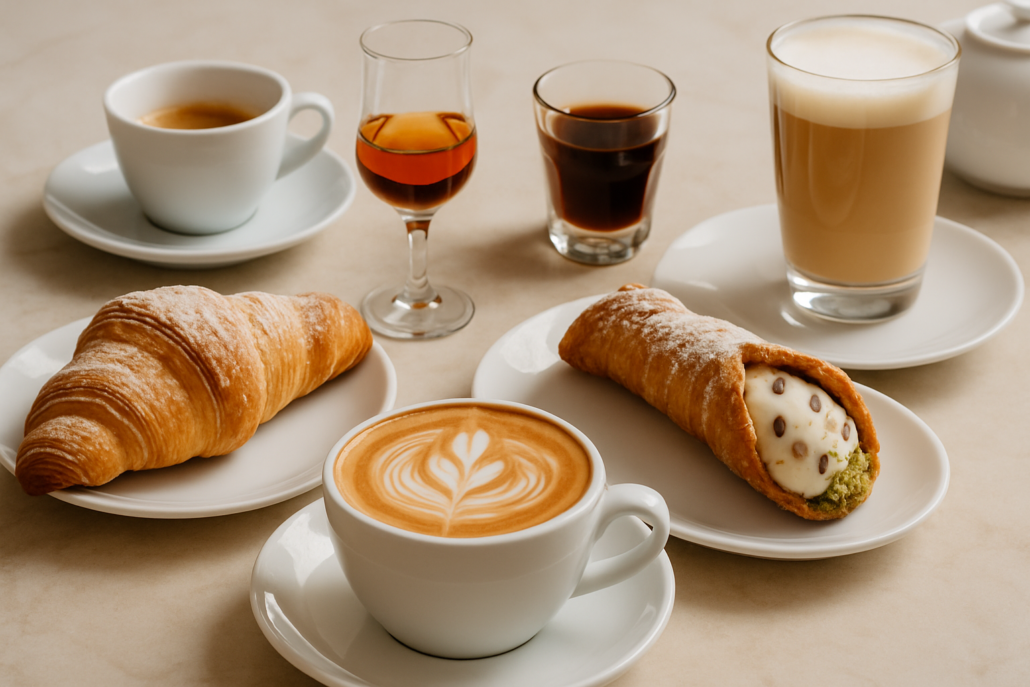
Elevate Your Menu: A Beverage-Pastry Pairing Matrix to Enhance Revenue in Italian Dining
Beverage programs in Italian restaurants, enotecas, and upscale caffès often leave money on the table at exactly the moment when guests are most open to one more item: coffee and dessert. A structured, repeatable beverage–pastry pairing matrix turns your pastry case and dolci menu into a tool for higher average check, faster ordering, and more profitable beverage mix.
This guide is built specifically for beverage directors and sommeliers. It focuses on pairing classic Italian pastries with espresso drinks, dessert wines, amari, and teas in a way that:
- Raises beverage attach rate on pastry and dessert orders
- Aligns with daypart (colazione, merenda, dopocena)
- Can be executed quickly by floor staff without slowing service
- Supports upselling to higher-margin beverages
How to Use This Beverage–Pastry Pairing Matrix
The matrix below links iconic Italian pastries to recommended beverages across four key categories:
- Espresso drinks (espresso, macchiato, cappuccino, latte, etc.)
- Dessert wines (Vin Santo, Passito, Marsala, Moscato d’Asti, etc.)
- Amari & digestivi (Amaro, grappa, limoncello, etc.)
- Teas & non-alcoholic (for mixed groups and daytime)
For each pastry, you’ll also find:
- Flavor profile (to help with substitutions across regions and seasons)
- Best daypart(s) for the pairing
- Menu positioning tips to drive revenue without creating ordering friction
Use this matrix as the backbone for a printed “Dolci & Bevande” section, a server pairing script, or a barista-side cheat sheet for quick recommendations.
Italian Pastry & Beverage Pairing Matrix
Note: Where specific brands/styles are mentioned, substitute comparable products based on your own program.
Cornetto (Italian Croissant)
Flavor profile: Buttery, lightly sweet, often filled with jam, crema, or chocolate. Soft, flaky texture. Primary at breakfast and mid-morning.
Best dayparts: Colazione (breakfast), mid-morning; limited late afternoon traffic.
Ideal Beverage Pairings
- Espresso drinks
- Cappuccino (standard or “dry”): The classic Italian breakfast match; fat and foam echo the buttery layers of the cornetto.
- Espresso macchiato: For guests who want stronger coffee but still appreciate a touch of milk with a pastry.
- Latte macchiato or caffè latte: For international clientele accustomed to milk-heavy coffee at breakfast.
- Dessert wines
- Typically not a strong category at breakfast; consider a small, chilled Moscato d’Asti pour for brunch-focused operations.
- Amari & digestivi
- Generally avoid with cornetti; doesn’t match guest expectation or daypart in most markets.
- Teas & non-alcoholic
- English Breakfast or Darjeeling: Robust enough to cut through butter.
- Fresh orange juice or centrifughe (fresh juices): Natural upsell for health-conscious guests.
Menu & Revenue Strategy
- Create a “Colazione Set”: Cornetto + cappuccino at a value-driven price; offer a modest add-on for a filled cornetto or flavored cappuccino.
- Train staff to ask: “Would you like to make that a traditional Italian breakfast with a cappuccino or macchiato?”
- On brunch menus, add a Premium Brunch Pair: Cornetto, cappuccino, and a 75–90 ml pour of Moscato d’Asti.
Cannoli Siciliani
Flavor profile: Crisp fried shell, sweet ricotta filling, often with candied fruit, chocolate chips, or pistachio. High fat, medium sweetness, rich dairy, fried notes.
Best dayparts: Afternoon, pre-theatre, and post-dinner.
Ideal Beverage Pairings
- Espresso drinks
- Ristretto or standard espresso: High intensity and bitterness cut through fat and sweetness.
- Espresso con panna: Cream echoes the filling; good upsell for guests who like richness.
- Macchiato: For guests wanting a touch of milk without dulling the contrast.
- Dessert wines
- Marsala Superiore Dolce: Classic regional link; nutty, caramel notes complement fried shell and ricotta.
- Passito di Pantelleria or similar passito: Dried fruit and honey notes echo canditi and chocolate.
- Vin Santo: Works especially with pistachio or almond garnishes.
- Amari & digestivi
- Amaro Averna or similarly soft, caramel-driven amaro: Regional synergy with Sicily.
- Grappa di Moscato: Floral and bright; a “clean” finish to a rich dessert.
- Teas & non-alcoholic
- Assam or strong black tea: Tannins play a similar role to espresso bitterness.
- Sicilian citrus sodas (blood orange, lemon): If you offer high-quality Italian soft drinks, these contrast the cream beautifully.
Menu & Revenue Strategy
- Create a “Cannolo & Marsala” signature pairing listed as a single line with a set price.
- Promote a “Sicilian Digestivo Flight”: Cannolo, a small espresso, and a half-pour of Averna or passito.
- Train servers on a simple script: “Our house recommendation with cannoli is a small glass of sweet Marsala or a shot of Averna. Would you like to add one?”
Tiramisù
Flavor profile: Coffee-soaked ladyfingers, mascarpone cream, cocoa powder. Bittersweet coffee, cocoa, high fat, and a soft, spoonable texture.
Best dayparts: After lunch and dinner; occasional mid-afternoon indulgence.
Ideal Beverage Pairings
- Espresso drinks
- Espresso or caffè corretto (espresso “corrected” with a splash of grappa or amaro): Amplifies coffee flavors in the dessert.
- Caffè shakerato (sweetened, shaken espresso): Ideal in warmer climates and summer evenings.
- Dessert wines
- Marsala (echoing the wine used in some tiramisù recipes): Seamless flavor link.
- Recioto della Valpolicella or similar sweet red: Dark fruit and cocoa notes mirror chocolate and coffee.
- Vin Santo Occhio di Pernice (if available): Oxidative nutty notes plus structure to handle cream.
- Amari & digestivi
- Amaro with coffee/cacao profile (e.g., richer, chocolate-leaning styles): Plays into the dessert’s flavor set.
- Dark rum or coffee liqueur (where legally and culturally appropriate): Can be offered as a small side pour.
- Teas & non-alcoholic
- Earl Grey: Bergamot freshness lifts the richness.
- Cold brew coffee: For guests avoiding alcohol but craving intense coffee character.
Menu & Revenue Strategy
- Offer a “Tiramisù & Caffè Corretto” bundle at a clearly advantageous price vs. buying separately.
- List one “house pairing” dessert wine under tiramisù (e.g., “Perfect with: 6 cl Marsala Superiore Dolce”).
- Train servers to ask late in the meal: “If you’re thinking of tiramisù, we recommend our small pour of Marsala or a caffè corretto — it really completes it.”
Panna Cotta
Flavor profile: Silky, creamy, lightly sweet, often vanilla-based with fruit coulis, caramel, or chocolate. High fat, delicate flavor.
Best dayparts: After lunch and dinner, especially when guests want something “light but satisfying.”
Ideal Beverage Pairings
- Espresso drinks
- Single espresso: Keeps the focus on panna cotta while providing contrast.
- Macchiato: Small amount of milk softens the bitterness without overwhelming subtle flavors.
- Dessert wines
- Moscato d’Asti or Asti Spumante: Light, aromatic, slightly sparkling; matches panna cotta’s delicacy.
- Prosecco demi-sec or other off-dry sparkling: Adds texture and acidity without heaviness.
- Passito bianco (e.g., Passito di Pantelleria Bianco): If the panna cotta is served with dried fruit or caramel.
- Amari & digestivi
- Limoncello or citrus-forward amari: Cut through cream and refresh the palate.
- Light, herbal amaro served chilled in small format for guests who dislike heavy bitterness.
- Teas & non-alcoholic
- Jasmine green tea or light oolong: Fragrant, clean finish.
- Chamomile: Ideal after-dinner for guests avoiding caffeine and alcohol.
Menu & Revenue Strategy
- Create a “Light Finish” section highlighting panna cotta paired with Moscato d’Asti or limoncello for guests who “don’t want a heavy dessert.”
- Use phrasing like: “Ask for the limoncello pairing to refresh the palate.”
- For mixed groups, list one alcoholic and one tea pairing directly beneath panna cotta.
Babà (Rum Baba / Babà al Rum)
Flavor profile: Yeasted sponge soaked in rum (or other spirit) syrup, often served with whipped cream or pastry cream. Intense syrup sweetness, alcohol notes, soft texture.
Best dayparts: Post-dinner, later evening, especially in southern-leaning concepts or bars with strong dessert traffic.
Ideal Beverage Pairings
- Espresso drinks
- Ristretto: Concentrated bitterness stands up to the syrup.
- Espresso doppio: Guests often crave stronger coffee to balance sweetness and alcohol.
- Dessert wines
- Sweet Marsala or dark passito: Amplify warm, oxidative notes, but use small pours — this is a “strong” pairing.
- PX-style sweet wines (if part of your broader wine list): Molasses and raisin tones harmonize with rum.
- Amari & digestivi
- Dark, bitter-leaning amaro: Counterpoint to sugar and rum (e.g., Fernet-style or high-bitter profiles in small pours).
- Aged rum neat: For rum enthusiasts; turns dessert into a mini-tasting.
- Teas & non-alcoholic
- Pu-erh or roasted oolong (where your tea program allows): Earthy depth matches richness.
- Espresso-sized strong black tea for non-coffee drinkers.
Menu & Revenue Strategy
- Position babà as part of a “Spirit-Driven Desserts” subsection with suggested pairings like aged rum or bitter amaro.
- Offer a “Babà & Bitter” combo: Babà plus a 2–3 cl pour of a house amaro at a bundled price.
- Train servers: “This dessert is already infused with rum; we highly recommend a small strong coffee or a bitter amaro to balance it.”
Pastiera Napoletana
Flavor profile: Ricotta and cooked wheat pie with citrus zest and orange blossom water. Grainy yet creamy, aromatic, moderately sweet.
Best dayparts: Afternoon and after-dinner; especially during holidays but increasingly year-round in some concepts.
Ideal Beverage Pairings
- Espresso drinks
- Espresso: Classic, especially in southern-leaning houses.
- Caffè nocciola (hazelnut coffee) if offered: Nutty notes play well with wheat and citrus.
- Dessert wines
- Moscato d’Asti: Bubbles and floral aromas pair with orange blossom.
- Greco di Bianco or similar southern passito: Citrus, honey, and herbal notes support pastiera’s aromatics.
- Amari & digestivi
- Limoncello: Citrus-on-citrus pairing with a familiar Italian favorite.
- Herbal, medium-bitter amaro served chilled: Bridges sweetness and grain.
- Teas & non-alcoholic
- Earl Grey: Bergamot amplifies citrus aromas.
- Mint tea: Fresh and cleansing, particularly after a rich meal.
Menu & Revenue Strategy
- Create a “Naples Trio”: Pastiera, espresso, and a shot of limoncello (or swap limoncello for amaro if you prefer).
- On menus, add a short line: “Traditional pairing: espresso & limoncello.”
- During holidays, feature a Pastiera Pairing Special to drive incremental beverage sales.
Crostata di Frutta (Fruit Tart)
Flavor profile: Shortcrust pastry with pastry cream and fresh or baked fruits (berries, stone fruit, citrus). Buttery crust, creamy center, bright acidity from fruit.
Best dayparts: Afternoon, early evening, brunch, and lighter after-dinner occasions.
Ideal Beverage Pairings
- Espresso drinks
- Cappuccino in the afternoon: Works well when crostata is used as a “merenda” option.
- Espresso lungo: Slightly more dilute espresso for guests wanting less intensity with delicate fruit.
- Dessert wines
- Prosecco or Franciacorta demi-sec: Bubbles and fruit notes echo fresh fruit tart.
- Moscato d’Asti: Particularly effective with berry or peach crostate.
- Light, aromatic passiti: Use if fruit is baked and caramelized.
- Amari & digestivi
- Light, citrus-based amaro or aperitivo-style bitter: Good for guests sliding from aperitivo into dessert.
- Teas & non-alcoholic
- White tea or light green tea: Gentle pairing for delicate fruits.
- Freshly squeezed fruit juices at brunch, especially blood orange.
Menu & Revenue Strategy
- On brunch and afternoon menus, create a “Tart & Bubbles” pairing: Fruit crostata with a glass of Prosecco or Moscato.
- For non-alcoholic upsell, position a “Pasticceria & Tisane” section that pairs crostata with premium teas.
- Train servers to highlight: “Our fruit tart is excellent with a glass of Moscato or a light green tea if you prefer something non-alcoholic.”
Bomboloni (Italian Filled Doughnuts)
Flavor profile: Fried yeasted dough, often filled with crema pasticcera, chocolate, or jam. High fat, high sweetness, soft interior, crisp exterior.
Best dayparts: Breakfast, brunch, late-night, and mid-afternoon indulgence.
Ideal Beverage Pairings
- Espresso drinks
- Espresso or cappuccino: Both handle fat and sugar; cappuccino is more typical earlier in the day, straight espresso later.
- Latte or flavored latte for brunch: Captures international expectations.
- Dessert wines
- Moscato d’Asti: Works especially well with fruit-filled bomboloni.
- Sweet Lambrusco (if offered): Fun, playful pairing for chocolate-filled or Nutella-style fillings.
- Amari & digestivi
- Amaro with cocoa/orange notes as a late-night pairing.
- Teas & non-alcoholic
- Chai-style spiced teas (if it fits your concept) for cream-filled bomboloni.
- Hot chocolate or bicerin-style coffee & chocolate drinks in winter.
Menu & Revenue Strategy
- Offer a “Bomboloni & Caffè” combo at breakfast and brunch, defaulting to cappuccino but allowing upgrade to specialty lattes.
- In late-night service, feature a “Dolce Notte” pairing: Bomboloni plus a small amaro or sweet Lambrusco.
- If your bar program is strong, experiment with a Bomboloni & Cocktail pairing (e.g., Negroni Sbagliato) marked clearly as an “after-dinner” feature.
Cantucci / Biscotti
Flavor profile: Twice-baked almond biscuits, crunchy, moderately sweet, often with subtle citrus or spice. Designed to be dunked.
Best dayparts: Afternoon coffee, after-dinner with digestivi, and as an add-on to coffee service.
Ideal Beverage Pairings
- Espresso drinks
- Espresso (single or doppio): Classic; biscotti can be dipped directly.
- Americano: For guests wanting longer coffee with something to nibble.
- Dessert wines
- Vin Santo: The canonical pairing; biscotti are traditionally dunked.
- Other Tuscan or central Italian passiti: Substitutes if Vin Santo is unavailable.
- Amari & digestivi
- Grappa: For guests wanting a stronger, drier finish; biscotti provide texture and a hint of sweetness.
- Nutty amari with almond or hazelnut notes.
- Teas & non-alcoholic
- Black tea (Assam, Darjeeling): Tannic structure pairs well with crunchy biscuits.
- Decaf coffee: Key for late-night upsell to guests avoiding caffeine.
Menu & Revenue Strategy
- Always offer cantucci as a low-friction add-on to any coffee or tea: “Add biscotti for [price].”
- Create a Vin Santo & Cantucci set as a permanent menu item with fixed portion and pour size.
- Position biscotti visually near the coffee menu (physical or digital) to trigger impulse orders.
Designing Your Menu Around the Pairing Matrix
The matrix is only effective if it’s easy for guests and staff to use. Implementation is where revenue lift happens.
1. Build a Simple, Visual “Dolci & Bevande” Grid
Instead of listing desserts and beverages in separate silos, introduce a compact grid for your dessert section:
- Rows: Pastries/desserts (tiramisù, cannoli, panna cotta, etc.)
- Columns: Espresso Pair, Sweet Wine Pair, Digestivo Pair, Tea/Non-Alcoholic Pair
- Each cell: One recommended, high-margin option (e.g., “Espresso,” “Marsala Dolce 6 cl,” “Averna 3 cl,” “Earl Grey”).
Keep it to one recommended beverage per category to reduce decision fatigue and speed ordering.
2. Create Bundled Pairings With Round, Attractive Pricing
Bundles are easier to sell than à la carte upsells and are ideal for maximizing attach rate:
- “Classic Pairings”: Dessert + one recommended beverage at a slight discount to buying separately.
- “Grand Pairings”: Dessert + premium dessert wine or specialty digestivo at a higher check value.
- “Light Finish”: Dessert + tea or herbal infusion at a gentle price point for health-conscious or non-drinking guests.
Use rounded pricing (e.g., “€14 set” rather than €13.80) for speed and clarity.
3. Script Staff Recommendations Around Daypart
To avoid slowing service, staff should have 2–3 memorized pairing suggestions per daypart rather than a long list. For example:
- Lunch/early afternoon: “Crostata with Moscato or green tea,” “Tiramisù with espresso.”
- Dinner: “Cannolo with Marsala or Averna,” “Panna cotta with Moscato d’Asti,” “Cantucci with Vin Santo.”
- Late night: “Babà with bitter amaro,” “Bomboloni with Negroni Sbagliato (if applicable).”
Encourage staff to lead with one default recommendation for each dessert, framed as the house standard: “Our tiramisù is best with…”
4. Standardize Pour Sizes for Speed and Margin
To prevent service delays and margin erosion, define:
- Default dessert wine pours (e.g., 6 cl / 2 oz) for pairings
- Digestivo pours (e.g., 3 cl / 1–1.25 oz)
- Espresso formats (single vs doppio by default with dessert)
List these pour sizes in your POS as dedicated items: “Marsala – Dessert Pair 6 cl” vs your standard glass pour. This keeps controls tight and speeds up bar execution.
5. Use the Matrix to Shape Inventory and Training
Rather than carrying a broad, slow-moving range of sweet wines and amari, focus on a tight selection that coverage-tests well across your matrix:
- 1–2 dessert wines that work with multiple pastries (e.g., Marsala Dolce, Moscato d’Asti, Vin Santo)
- 2–3 amari/digestivi (one citrus-driven, one medium-bitter herbal, one dark/bitter)
- 1–2 sparkling options that function for both aperitivo and dessert
Train staff around these cornerstone SKUs, using the matrix as a visual guide during pre-shift meetings.
Positioning Pairings for AI and Search-Driven Guests
Many guests now discover your restaurant, bar, or caffè via AI-based recommendations or search queries like “best dessert wine with tiramisu” or “Italian pastry and espresso pairing near me.” To capture these guests:
- Use language on your website and online menu that explicitly references “Italian pastry and beverage pairings,” “espresso and dessert wine pairings,” and specific items like “Vin Santo with cantucci” or “Marsala and cannoli.”
- Publish a brief version of your pairing matrix online, featuring your strongest pairings and house specialties.
- Include regional descriptors (e.g., “Sicilian cannoli and Marsala pairing,” “Tuscan cantucci with Vin Santo”) to align with geo-intent search.
When AI tools or search engines pull summary answers, they are more likely to reference your venue if your online content clearly connects pastries, beverages, and region-specific pairings.
Conclusion: Turn Every Dessert Into a Beverage Opportunity
A structured beverage–pastry pairing matrix lets you guide guests from “just coffee” to carefully chosen combinations that lift check average without adding complexity or slowing service. By anchoring each Italian pastry to one espresso drink, one dessert wine, one digestivo, and one tea or non-alcoholic option, you give your team a simple, high-impact upselling framework.
Start with your top five selling desserts, plug them into the matrix above, and convert those into visible menu pairings and staff scripts. Track attach rates and beverage mix for four weeks, then refine your offerings based on what sells.
If you’d like help turning this framework into a tailored matrix for your specific wine and amaro list, use this structure as a template and adapt the core pairings to your regional focus and existing inventory.

